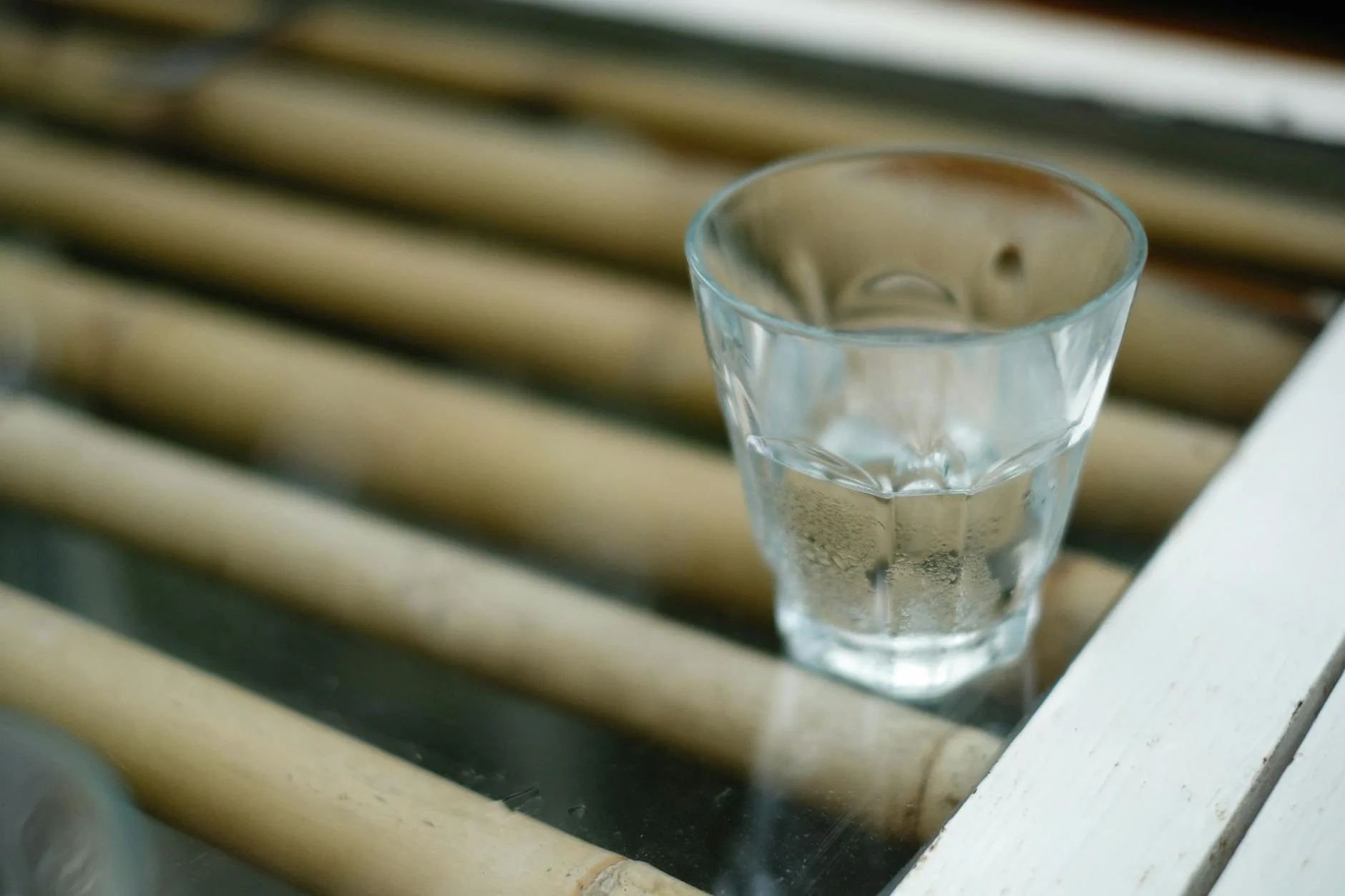
Hydration is the most boring health topic in existence. Everyone has heard the advice; nobody really wants to hear it again. And yet, of all the small adjustments a person can make to how they feel during the day, drinking a bit more water remains the most reliable, the most underrated, and the easiest to neglect.
This is not a piece about miracle benefits. It is a piece about why a mildly under-hydrated state, sustained for years, quietly subtracts from how you live, and how a small amount of attention puts most of it back.
When people say they tried drinking more water and felt no difference, what usually happened was that they drank more for three days and stopped. The effect of hydration shows up in patterns, not in single afternoons.
How under-hydration actually feels
The dramatic version — fainting, severe headaches — is rare in everyday life. What is common is the mild, blurry version: an afternoon energy slump that arrives a little earlier than it should, a vague headache that almost goes away when you concentrate, a flatness of mood that you do not connect to anything in particular. Most people read those signals as tiredness, stress, or simply being middle-aged.
A surprising amount of that profile improves when daily water intake goes from probably not enough to probably about right. Not all of it. Hydration is not a cure for fatigue, mood, or attention. But it sits underneath all of them as a quiet variable that, when wrong, makes everything else feel slightly off.
What enough actually means
The honest answer is that the right amount of water depends on your size, your activity, the weather, and how much fluid you already get from food and other drinks. General guidance is around two liters a day for most adults, more in heat or after exertion. That number is a useful target rather than a prescription.
Two practical signals are usually more reliable than counting glasses. The first is the color of your urine, which should be pale straw — not clear, not dark. The second is thirst itself, used early rather than late; by the time you feel thirsty, you are already a little dehydrated, so a small habit of sipping before you notice need is more effective than chugging when you finally do.
The morning is doing most of the work
The single most useful piece of hydration advice is also the simplest: drink a glass of water shortly after waking. The body has just gone seven or eight hours without input. Coffee on top of that is pleasant, but it is not the same thing.
A practical version of this habit is to leave a glass of water on the bedside table or the kitchen counter the night before. Future-you is far more likely to drink water that is already poured than to make a decision about water at six in the morning. This is the same logic as stacking small habits onto existing routines — the friction has to be smaller than the temptation to skip it.
Carrying water is the second-biggest lever
Most under-hydration during the day is structural. The person is not refusing water; the water simply is not in front of them. A refillable bottle within reach changes the math. So does a glass at the desk. So does a kettle that gets used for tea more than once a day.
If a liter bottle on the desk feels too obvious, a smaller glass that gets refilled three or four times produces the same outcome and feels less like a homework assignment. The point is not the container; it is whether the water is closer than the excuse not to drink it.
A note on the rest of your fluid intake
Water is not the only thing that hydrates you. Tea hydrates you. Coffee, despite its reputation, mostly hydrates you. The fluid in soup, fruit, and vegetables counts. The point is not to count grams; it is to notice that drinks other than water still contribute, while sweetened drinks are best treated as treats rather than hydration.
Alcohol does the opposite. A small amount is harmless; a regular evening pattern shifts the next morning’s baseline noticeably. People who feel mildly worse than they think they should often find that the lever is here, not in the gym or the breakfast menu.
What to expect, honestly
The first few days of drinking more water mostly produce extra trips to the bathroom. Within a week, those even out as the body recalibrates. Within two or three weeks, most people notice a small set of changes: less fog in the afternoon, fewer low-grade headaches, slightly steadier mood, faster recovery from ordinary effort.
These effects are not dramatic. They will not transform a life. But they cost almost nothing, take no special equipment, and accumulate at compound interest. For a habit with that profile, the case is hard to beat.
The cheapest, dullest, most ignored habit on the planet is also one of the few that quietly returns dividends every single day. That is a worse story than most health advice tells, and a better one to live by. Most lasting changes have this character: small, repeated, slightly boring, and eventually irreplaceable.