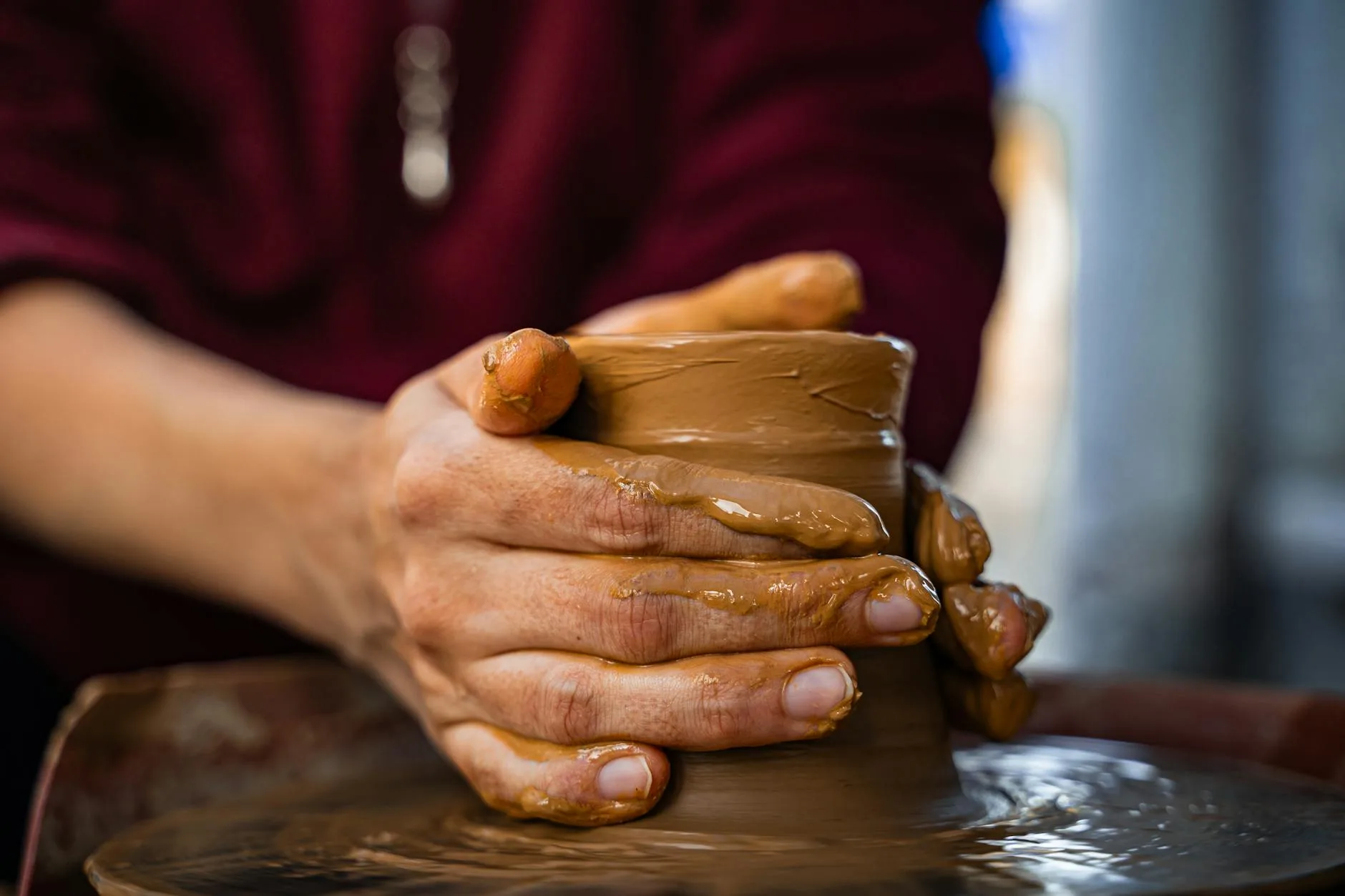
There is a slow erosion that happens in adulthood. The week shrinks down to work, errands, and recovery from work. The thing you used to do every Sunday morning happens once a quarter, then once a year, then not at all. Nobody decides this. It just settles in, the way moss does on an unused stone, until the line between you and your job has become a little thinner than you would have liked.
Hobbies are the corrective. Not the curated, productive, side-hustle version, but the real one — the thing you do because doing it returns you to yourself. This piece is a small case for taking yours seriously enough to defend, even when nothing about your week makes that easy.
What a hobby actually does
A hobby is one of the few things in an adult life that asks something of you without paying you for it. There is no deadline. There is no audience that has to be satisfied. There is no version of doing it badly that costs anything. What it produces, instead, is an hour or two of being absorbed in something where the only stakes are whether the thing in front of you gets a little better.
That state — absorbed but unjudged — is rare in normal life. Work has stakes. Family has stakes. Friendships have stakes. A hobby is one of the only places where the only stakes are the ones you choose to set, and that turns out to be unexpectedly restorative.
The investment is in the version of you that is not your job
Most adults can describe themselves through their job in a sentence and struggle to describe themselves outside of it in a paragraph. That is not vanity; that is the slow narrowing of what we do with our weeks. A hobby, kept up for years, is an investment in the part of you that is not your job — the part that, when something happens to the job, is still there.
This sounds melodramatic until it is not. Illness, redundancy, retirement, family changes — at some point in most lives, the structure that has carried the identity gets shaken. The people who navigate those stretches best almost always have something else they have been quietly tending all along.
Why no time is rarely the real problem
Most people who say they have no time for a hobby do, in fact, have time. They have an hour after dinner. They have a Sunday morning. They have the half-hour they currently spend scrolling, which would shock them if they added it up at the end of the week. The reason the time does not turn into a hobby is not scarcity; it is that the time is unprotected.
A hobby needs a slot. Not a strict appointment, but a default. Tuesday evenings, the kitchen table, after the children are asleep. Sunday mornings, the workshop, before anyone is awake. The slot is the hobby, in many ways — once it has one, the practice fills it. Without one, the practice never quite starts.
Starting again is not as awkward as it feels
People who used to do something and have not done it for years usually carry a small embarrassment about it. The piano, dusty under a sheet. The bike, deflated in the shed. The novel, three chapters in, six years ago. The longer the pause, the more it feels like you would have to apologize to yourself just for picking it up.
You do not. Whatever the thing is, almost nobody is watching you start again. The piano knows nothing about the years it spent quiet. The page knows nothing about the gap. The only person who notices the return is the one who is allowed to enjoy it — which is you. Begin again at the level you have, not the level you remember.
Choose one that does not feed back into work
A hobby that turns into a side hustle is no longer entirely a hobby. The same goes for one that is branded, documented, or shared on a platform. There is nothing wrong with any of these things in their own right, but they are not the same trade. The hobby that returns you to yourself most reliably is the one that does not have to be shown to anyone.
If you are tempted to choose something productive — a language for the CV, a skill for the career — at least keep a second one that is not. Make room in your life for something that does not have to justify itself. That space is what makes the rest of the week feel like more than just work.
Not every hobby has to be cheap. But many of the best ones are. Walking. Reading. Drawing. Bread. The garden. The instrument you already have. Cost is almost never the bottleneck; it is permission. Give yourself the permission, and most of the practical objections sort themselves out.
The first session back is almost always the hardest, and almost always the most disproportionately rewarding. A week later you will not remember it. A month later you will be embarrassed at how much you talked yourself out of doing it for so long.