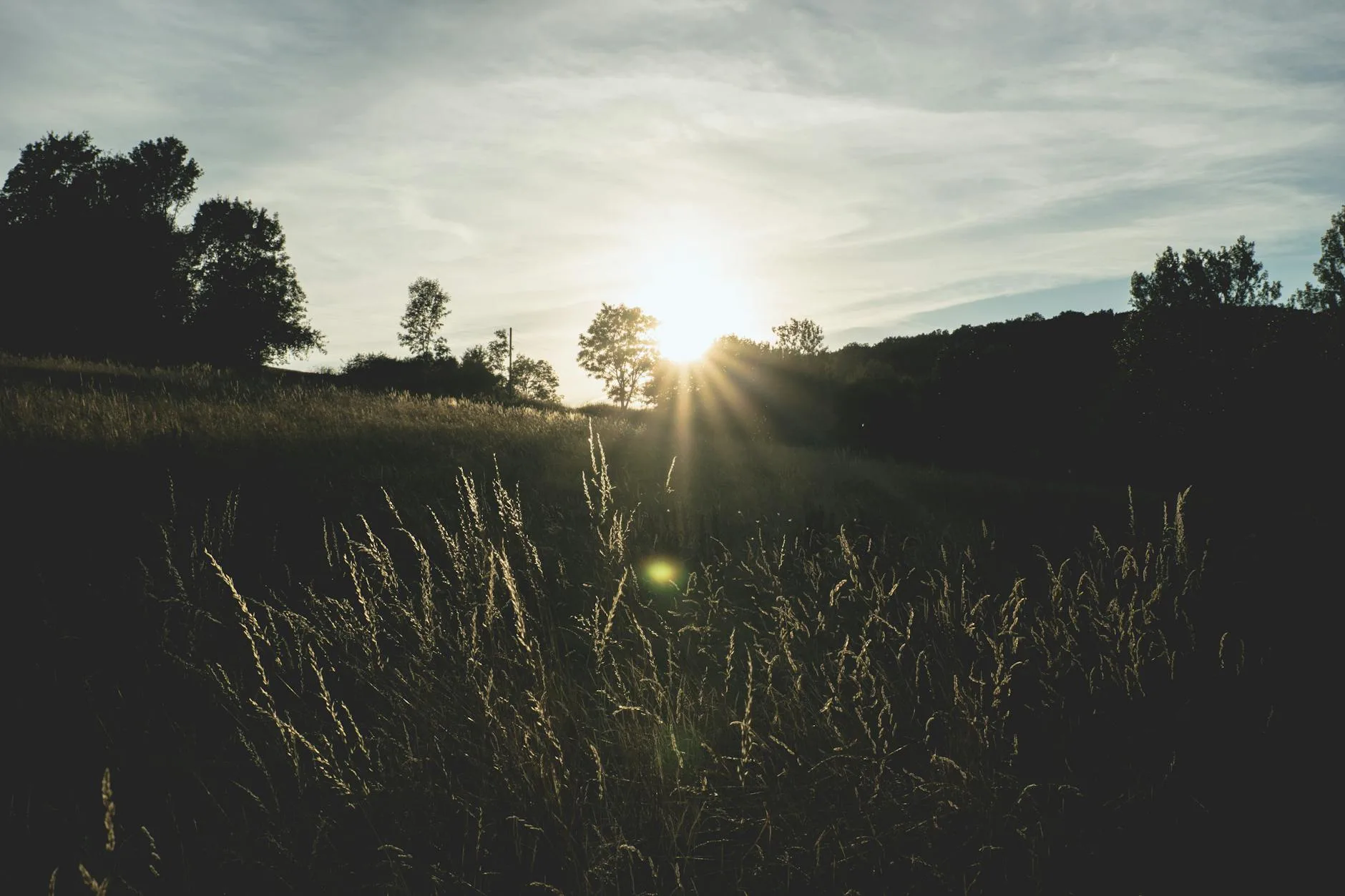
Almost everyone agrees that being outdoors is good for you. Almost everyone also spends most of their week indoors. This is not a contradiction so much as a structural problem: modern life is built indoors, work is indoors, food is delivered indoors, entertainment is indoors, sleep is indoors. The path to being outside is not lined with obstacles; the obstacles have to be invented in the form of a deliberate plan.
This piece is about how to do that without turning being outdoors into another item on the list. Not a hiking project. Not a relocation. Just the modest, repeatable adjustments that take the average week from mostly inside to noticeably more outside, and what changes when they do.
Start with the minutes you already have
Most people who would like to spend more time outdoors do not need to add hours to their week. They need to redirect minutes they were already going to spend somewhere. The coffee on the doorstep instead of at the kitchen table. The phone call from the bench by the corner shop. The five minutes between work and dinner spent standing in the garden rather than walking to the fridge.
These reclaimed minutes are not impressive in isolation. Over a week, they add up to a measurable shift in how much daylight the eyes have seen and how much fresh air the lungs have actually moved. The body notices both.
The morning light is doing real work
The single most underrated outdoor habit is fifteen to twenty minutes of early-morning daylight, ideally within the first hour or two of being awake. The brain uses this light to set the day’s internal clock, which then governs energy, mood, and sleep that night. The light does not have to be bright sun; an overcast morning still delivers many times the light intensity of a normal indoor space.
The practical version is small. The walk to the bus instead of the underground. The coffee taken on the step, the porch, or the balcony. The fifteen minutes around the block before the day starts. These are not heroic adjustments. They are the most efficient lever in this entire piece, and they cost the day almost nothing.
Build outdoor time into something you were going to do anyway
Outdoor time that has to compete with the rest of life usually loses. Outdoor time that is attached to the rest of life usually wins. The phone call you take while walking around the block. The lunch eaten on a bench rather than at the desk. The conversation you have on the porch rather than the sofa.
None of this requires turning yourself into someone who hikes on weekends. It requires noticing the times when you were going to do something anyway, and asking whether it could happen outside. About a third of the time, the honest answer is yes — and the small reshuffle adds a remarkable number of outdoor minutes to a week that never had room for them.
The weekend long walk is worth defending
A weekly walk that lasts at least an hour, ideally somewhere with trees or water or both, is one of the most reliable mood-and-energy levers a person can pull. The science on this is interesting and ongoing, but the practical case is straightforward: most people who do it consistently report a calmer relationship with the week that follows, and most people who skip it for a month start to feel it.
The walk does not have to be ambitious. It does not have to be a trail. A loop through a park, a stretch along a canal, a wander through a wood — any of these qualifies. What matters is the duration and the cadence, not the picturesque quality of the route. Walking is one of the most underrated forms of exercise for reasons that apply here as well.
On bad weather and the excuses around it
Most countries that produce a lot of outdoor culture also have unkind weather. The Scandinavian saying about there being no bad weather, only bad clothing, is annoying because it is true. A coat that genuinely keeps the rain off, boots that do not leak, a hat that does not blow off — between them, these solve the practical objection to being outside in winter for most of the year.
It also helps to lower the bar. Twenty minutes of cold drizzle is enough to deliver most of the benefit of an hour in summer. The body and brain do not require a perfect afternoon to register that you were outside; they require any afternoon at all.
Within a few weeks of consistent outdoor minutes — most days, even briefly — sleep starts arriving more easily. Mood becomes a little less spiky. Concentration in the late afternoon improves. None of these effects are dramatic. They are not enough to solve any serious problem on their own. But they are enough to feel like the week is breathing a little better than it was, which is, in the end, the practical case for almost any small habit worth keeping.
The outdoors is not a treatment. It is closer to a vitamin: cumulative, quiet, and hard to notice until it goes missing for a while. Most people who lose access to it during a hard winter or a stretch of indoor weeks remember exactly what they were missing the next time they get a proper hour outside.