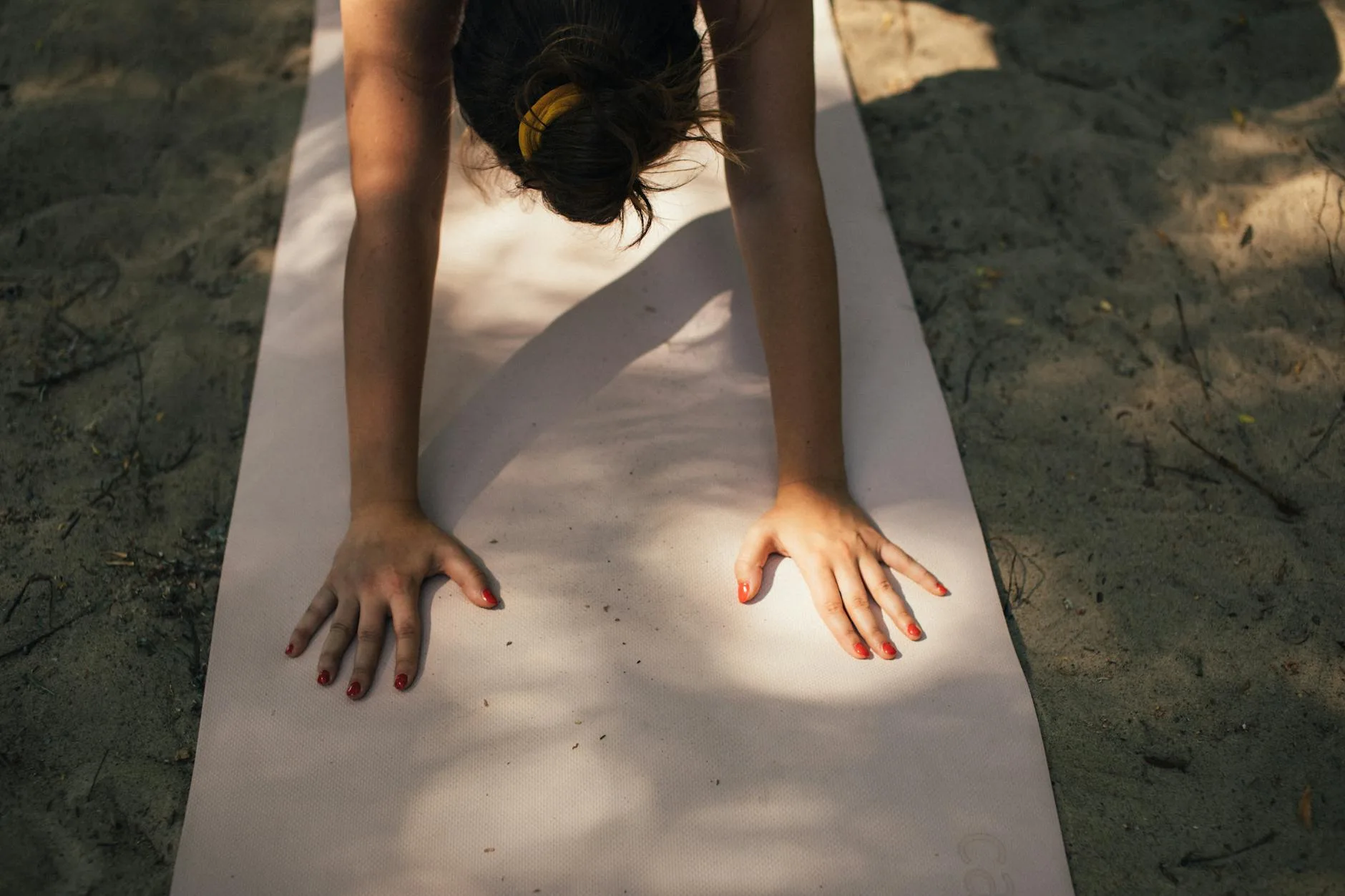
Stretching is an unglamorous habit. It does not photograph. It is not measurable in any way that satisfies a competitive instinct. There is no leaderboard for it. And yet, of all the small daily practices that quietly improve how the body moves through the world, ten minutes of stretching is among the most consistently underrated.
This piece is not about flexibility for its own sake. It is not about touching your toes. It is about what the body actually feels like, two months in, when ten unremarkable minutes a day have been spent gently asking it to lengthen rather than tighten. The answer turns out to be more than the practice suggests it should be.
Why most people stretch wrong, briefly
Most adult stretching is opportunistic. A quick reach when standing up. A vague twist after a long sitting session. The kind of half-yawn arm extension that the body forgets thirty seconds after the cup of coffee. This is not nothing, but it is not the habit. The habit is dedicated, deliberate, and short — and the short part is the most important.
Long stretching sessions are not what produces consistent results in non-athletes. Brief, daily sessions are. Ten minutes, repeated, will outperform forty-five minutes once a week. The reason is the same as for any other habit: the body adapts to what it does often, not what it does intensely.
What ten minutes actually contains
Ten minutes of stretching is enough for six or seven movements held for forty to ninety seconds each, with a transition between them. It is not a yoga class. It is closer to a small system: a hip opener, a hamstring stretch, a calf stretch, something for the upper back and shoulders, a gentle neck release, and perhaps one targeted move for whatever feels tight that day.
The order does not matter. The held duration does. The body’s deeper softening happens after the first thirty seconds in a position, not before; a stretch held for ten seconds is a check-in, not a stretch. Patience inside each move is what makes ten minutes effective.
Where in the day it fits
Morning stretching feels good but produces less change than evening stretching, because the body is already warmer and looser at the end of the day. That said, the best time is the time it actually happens. People who try to stretch first thing usually find that the slot is fragile; people who stretch while waiting for the kettle, or before bed, find that the habit sticks.
The trick is to attach it to something that already happens. After the evening walk. While a particular program is on. Before lights-out. The brain forgets to stretch when stretching is a free-floating commitment; the brain remembers to stretch when it is the last thing it does before brushing its teeth. This is the same principle that makes any small daily habit stick.
What actually changes, in plain terms
At three or four weeks, the most common change is a small but real one in posture. The shoulders sit a little lower. The neck moves more freely. Tying shoes feels less negotiated. By six to eight weeks, most people notice that an ordinary day — long sitting, awkward sleeping position, a heavy bag — produces less low-grade ache than it used to.
This is not because the body has been transformed. It is because the body has been gently nudged out of a default shape that years of office chairs, beds with too many pillows, and unconscious slouching have built. The stretches are not adding flexibility so much as returning a baseline that ordinary life keeps pulling away from. The longer the practice continues, the further the baseline shifts, but the bulk of the benefit appears in the first two months, and stays there as long as the practice does.
A small set of moves, kept simple
Beginners do well with a small fixed sequence and very little variation for the first month or two. A hip flexor stretch, kneeling, ninety seconds per side. A seated forward fold, sixty seconds. A wall calf stretch, sixty seconds per side. A doorway chest stretch, sixty seconds. A gentle seated neck side-bend, thirty seconds per side. Nothing exotic.
Once these become automatic, the body will tell you what to add. The right next stretch is almost always the one that feels good when you accidentally do it during the day. That is the body’s quiet way of saying, more of this would help.
Stretching is also the habit that handles a missed day better than almost any other. Two days off does not undo two weeks on. A week off does not undo a month on. The body is forgiving in a way that strength training is less so. This makes stretching the natural habit to bring back first after illness, holiday, or any other interruption.
None of this is meant to be a flexibility program. It is a low-effort, high-consistency way of keeping the body from quietly stiffening into the default shape that office chairs, sofas, and beds insist on. Ten minutes a day, almost every day, is enough to keep ahead of that drift. That is the entire promise, and over a few months it turns out to be enough.